
Boundaries Protect What Matters Most
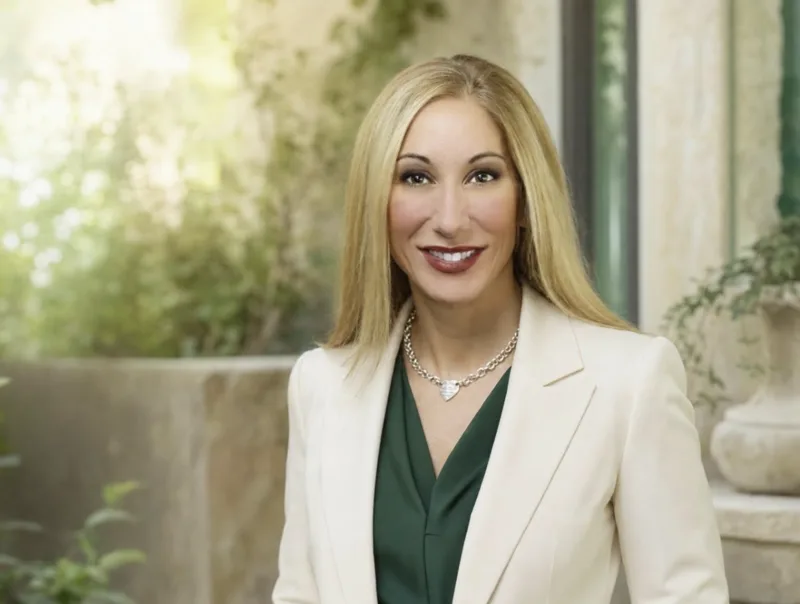
Sheri L. Testani, DNP, RN, NE-BC, AHN-BC, HWNC-BC
Founder, Flourish by Design™ | September 7, 2026

High-achieving people and purpose-driven professionals are often known for being dependable. They respond, solve problems, support others, and follow through.
Those qualities matter. They contribute to strong relationships, meaningful work, and trusted leadership.
Yet when availability becomes automatic, the people and priorities that matter most can begin receiving whatever energy remains. Attention becomes fragmented. Recovery is postponed. Even meaningful responsibilities may start to feel heavier than they should.
Boundaries help us interrupt that pattern.
They clarify what deserves our time, attention, and care. They protect our ability to remain present for the work, relationships, and purposes we value most.
Boundaries are a form of stewardship
A boundary is sometimes misunderstood as a barrier intended to keep people at a distance. Healthy boundaries serve a different purpose.
They help us steward limited resources.
Every person has finite time, energy, attention, and emotional capacity. These resources may be supported through rest, connection, and renewal, but they are never unlimited. Treating them as if they are unlimited eventually affects the quality of our thinking, our work, and our presence with others.
A boundary acknowledges that reality without apology or judgment.
It recognizes that caring deeply does not require constant availability. Being responsible does not mean responding to every need with equal urgency. Contributing meaningfully does not require giving every commitment the same share of ourselves.
Boundaries help us identify what needs protection so that what matters most is not continually displaced by what is most immediate.
What is unprotected receives what is left
Many of the most important parts of life do not demand our attention as loudly as an incoming message, a new request, or an unexpected problem.
A conversation with someone we love may be postponed because there is one more task to complete. A period of focused thinking may be interrupted repeatedly because every notification feels urgent. A few moments of restoration may disappear beneath responsibilities that seem easier to address immediately.
None of these choices appears especially significant in isolation. Over time, however, they shape where our attention goes and what receives our best energy.
Without some form of protection, important priorities can become secondary—not because we care about them less, but because they are competing with demands that are louder, faster, or more visible.
A boundary creates space for intentional attention.
It might mean closing a door long enough to think clearly, placing a phone out of reach during a meaningful conversation, or preserving a brief transition between work and home. These are small choices, but they communicate something important: this person, responsibility, or moment deserves my presence.
Boundaries support caring from wholeness
People who are deeply committed to leadership, service, caregiving, or professional responsibility may worry that boundaries will make them less generous.
In practice, thoughtful boundaries can support more sustainable care.
When we are continually depleted, our capacity to listen, think, respond, and connect may narrow. We may still be physically present while having little attention left to offer. We may complete what is required without bringing the patience or clarity we would want to bring.
Boundaries do not eliminate demanding circumstances, nor do they guarantee that our time and energy will always feel balanced. They help us recognize that our capacity is worth protecting because it affects how we show up.
Caring from wholeness does not mean waiting until life is perfectly calm. It means remembering that our well-being is part of what enables us to contribute with steadiness, compassion, and purpose.
For more than three decades, I built my life around caring, leading, responding, and being available when others needed me. I valued that responsibility deeply—but I also knew there would come a time when protecting what mattered most would require a different kind of courage.
When I chose to step away from executive nursing leadership, I was not stepping away from purpose or meaningful work. I was choosing more intentionally where and how I wanted to contribute. I wanted to be fully present for my youngest daughter’s senior year, enjoy more unhurried time with my husband and family, build Flourish by Design™, and give back through education.
Completing my doctorate strengthened my belief that teaching and developing others can create change far beyond any single role.
That transition reminded me that boundaries are not about withdrawing from life. They help us protect what matters so we can contribute with greater intention, presence, and purpose.
Boundaries bring attention back to what matters
A boundary begins with recognition.
What deserves to receive more than the energy that happens to be left at the end of the day?
The answer will differ from person to person. It may be a relationship, a responsibility, a period of concentrated work, a restorative practice, or a few quiet minutes needed to regain perspective.
Purpose helps us recognize what matters. Alignment helps our thoughts, words, and actions move in the same direction. Boundaries help protect the space needed to live those intentions.
This does not require reorganizing your entire life today. It begins by noticing one priority that deserves your undivided attention.
Reflection question
What matters most in your life that needs greater protection right now?
Practical action
Choose one important activity, responsibility, or relationship and give it ten minutes of protected, undivided attention today.
Silence unnecessary notifications. Set aside competing tasks. Be fully present for those ten minutes.
Notice what changes when your attention is no longer divided.
Closing
Boundaries are not only about what we limit. They are about what we make possible.
They make room for clearer thinking, more present relationships, meaningful contribution, and care that is offered from a steadier place.
You do not need to protect everything at once. Begin with one thing that matters and give it the attention it deserves.
Because flourishing doesn’t happen by accident. It happens by design.™